
Introduction
In the modern fitness landscape, where information is abundant but clarity is rare, protein supplementation has become both a necessity and a topic of confusion. Among the countless options available in the market, Optimum Nutrition has established itself as a trusted name synonymous with quality and performance. Its flagship product, Gold Standard 100% Whey, is widely recognized for delivering consistent results.
Whether you are a beginner stepping into the gym for the first time or an experienced athlete aiming to optimize performance, understanding how optimum nutrition whey protein works can significantly influence your progress. This guide dives deep into everything you need to know—from science-backed benefits to practical usage strategies—so you can make informed decisions.
Understanding Whey Protein and Its Role in Nutrition
What Exactly Is Whey Protein?
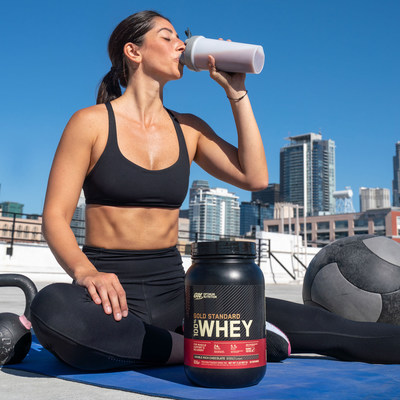
Whey protein is a byproduct of cheese production, extracted from milk and processed into a highly digestible protein source. It contains all nine essential amino acids, making it a complete protein that supports muscle repair and overall bodily functions.
What makes whey unique is its rapid absorption rate. Once consumed, it quickly enters the bloodstream and delivers amino acids to muscle tissues, especially after workouts when the body needs nutrients the most.
Why Protein Intake Matters More Than Ever
Protein is not just for bodybuilders. It plays a critical role in maintaining muscle mass, supporting metabolism, and aiding recovery. In a world where diets are often unbalanced, supplements like optimum nutrition whey protein help bridge nutritional gaps efficiently.
Why Optimum Nutrition Stands Out in a Crowded Market
Commitment to Quality and Transparency
One of the defining characteristics of Optimum Nutrition is its commitment to quality control. Each batch undergoes rigorous testing to ensure purity, potency, and safety. This level of consistency builds trust among consumers.
Superior Ingredient Profile
The formulation primarily includes whey protein isolate, which is known for its high protein content and low levels of fat and lactose. This makes it suitable for individuals aiming for lean muscle development.
Taste, Texture, and Convenience
Unlike many protein powders that are difficult to consume regularly, this product offers smooth mixability and enjoyable flavors. This seemingly small factor plays a big role in long-term adherence.
The Science Behind Muscle Growth and Recovery
How Muscles Actually Grow
Muscle growth does not occur during exercise but during recovery. When you lift weights, you create microscopic tears in muscle fibers. These tears are repaired using amino acids, leading to stronger and larger muscles.
Consuming optimum nutrition whey protein ensures your body has a steady supply of these essential building blocks when it needs them most.
The Role of Amino Acids and BCAAs
Whey protein is rich in branched-chain amino acids (BCAAs), particularly leucine, which triggers muscle protein synthesis. This process is crucial for both muscle repair and growth.
Without adequate protein intake, your recovery slows down, and your performance may plateau over time.
Types of Whey Protein and What You Should Choose
Understanding the different types of whey protein can help you make better decisions based on your fitness goals.
| Type | Protein Content | Lactose Level | Absorption Speed | Ideal For |
|---|---|---|---|---|
| Whey Concentrate | 70–80% | Moderate | Medium | Beginners and general users |
| Whey Isolate | 90%+ | Low | Fast | Fat loss and lean muscle gain |
| Whey Hydrolysate | 90%+ | Very Low | Very Fast | Advanced athletes and recovery |
The blend used in optimum nutrition whey protein often combines isolate and concentrate to balance cost, taste, and performance.
How to Use Whey Protein for Maximum Results

Timing: Does It Really Matter?
While total daily protein intake is more important than timing, consuming protein after workouts is particularly beneficial. This is when your muscles are most receptive to nutrients.
However, you can also use it in the morning or between meals to maintain consistent protein levels throughout the day.
Daily Intake and Personalization
Protein requirements vary depending on body weight, activity level, and goals. A general guideline is 1.2 to 2.2 grams of protein per kilogram of body weight.
Using optimum nutrition whey protein once or twice daily can help you meet these requirements without overcomplicating your diet.
Benefits Beyond Muscle Building
Supports Weight Management
Protein has a high satiety value, meaning it keeps you full for longer. This reduces unnecessary snacking and helps maintain a calorie deficit for fat loss.
Improves Metabolic Health
Higher protein intake can boost metabolism slightly due to the thermic effect of food. This means your body burns more calories digesting protein compared to fats or carbohydrates.
Convenience for Busy Lifestyles
In a fast-paced routine, preparing protein-rich meals consistently can be challenging. A quick shake provides a practical solution without compromising nutrition.
Common Mistakes People Make
Overreliance on Supplements
While supplements are helpful, they should not replace whole foods. A balanced diet with natural protein sources is still essential for overall health.
Ignoring Portion Control
Taking excessive amounts of protein does not accelerate muscle growth. It can instead lead to digestive discomfort and unnecessary calorie intake.
Inconsistent Usage
Consistency is key. Sporadic use of optimum nutrition whey protein will not deliver optimal results.
Comparing Whey Protein with Other Protein Sources
Whey vs Plant-Based Protein
Plant proteins often lack one or more essential amino acids. Whey, on the other hand, offers a complete amino acid profile, making it more effective for muscle building.
Whey vs Casein Protein
Casein digests slowly and is ideal before bedtime, while whey is fast-digesting and perfect for post-workout consumption.
Whey vs Whole Food Sources
Whole foods provide additional nutrients like vitamins and minerals. However, whey offers unmatched convenience and speed.
Nutritional Profile Breakdown
A typical serving of optimum nutrition whey protein provides:
| Nutrient | Amount |
|---|---|
| Protein | 24g |
| Carbohydrates | 3g |
| Fat | 1g |
| Calories | 120 kcal |
| BCAAs | 5.5g |
This balanced composition makes it suitable for a wide range of fitness goals.
Creative and Practical Ways to Consume It

Smoothies and Shakes
Blending protein powder with fruits, milk, and nuts creates a nutrient-dense drink that can serve as a meal replacement.
Breakfast Boosters
Adding a scoop to oats or pancakes enhances protein content without altering taste significantly.
Healthy Desserts
From protein brownies to homemade bars, there are countless ways to enjoy it without compromising your diet.
Quick Overview
- Primary purpose: Muscle growth and recovery
- Protein per serving: ~24g
- Best time to consume: Post-workout or between meals
- Suitable for: Beginners, athletes, and busy individuals
- Key advantage: Fast absorption and high-quality protein
Storage, Shelf Life, and Safety
Proper storage ensures the longevity and effectiveness of your supplement. Always keep the container sealed and store it in a cool, dry place.
When used within recommended limits, optimum nutrition whey protein is safe for daily consumption. Individuals with lactose sensitivity should opt for isolate variants.
Psychological and Lifestyle Benefits
Beyond physical health, maintaining a structured nutrition plan can improve discipline and consistency. Incorporating protein supplementation simplifies dietary planning, reducing stress around meal preparation.
This convenience often leads to better adherence to fitness routines, which ultimately results in long-term success.
FAQs About Optimum Nutrition Whey Protein
Is it suitable for beginners?
Yes, it is beginner-friendly and helps meet daily protein requirements easily.
Can it help with fat loss?
Yes, when combined with a calorie-controlled diet, it supports fat loss while preserving muscle.
Is it safe for women?
Absolutely. It benefits women equally in terms of fitness, toning, and overall health.
Can I take it without exercise?
Yes, but it is most effective when paired with physical activity.
Does it cause side effects?
When consumed appropriately, it is safe. Overconsumption may cause mild digestive issues.
Conclusion
Achieving your fitness goals is not about shortcuts but about making smart, sustainable choices. Incorporating optimum nutrition whey protein into your routine can simplify your nutrition strategy while delivering reliable results.
Start by identifying your protein needs and integrating one serving into your daily diet. Combine this with consistent workouts, proper hydration, and adequate rest. Over time, you will notice improvements not only in muscle growth but also in overall energy and recovery.
The real power of optimum nutrition whey protein lies in its consistency. Use it wisely, stay committed, and let it support your journey toward a healthier, stronger version of yourself.
