
Introduction
Peanut butter has become far more than a simple spread—it is now a staple in modern nutrition, especially among people who prioritize health, fitness, and convenience. In recent years, one particular product has gained significant attention for its balance of taste and nutrition: my fitness peanut butter.
This guide explores everything you need to know about it, from nutritional value to practical usage in daily life. Whether you are just starting your fitness journey or looking to refine your diet, understanding how to use peanut butter effectively can make a real difference.
Understanding the Popularity of Peanut Butter
)
Peanut butter has long been a favorite across the world, but its rise in the fitness industry is no coincidence. Its natural composition makes it a nutrient-dense food that fits into a wide variety of dietary plans.
A Balanced Nutritional Profile
Peanuts are naturally rich in protein, fats, and essential micronutrients. When processed correctly, peanut butter retains most of these benefits. This makes it a convenient option for those who want energy and nutrition without complicated meal preparation.
Convenience and Versatility
One of the main reasons for its popularity is how easy it is to include in daily meals. It requires no cooking, pairs well with multiple foods, and can be used in both sweet and savory dishes.
What Sets My Fitness Peanut Butter Apart
Among the many brands available today, my fitness peanut butter has managed to stand out due to its focus on quality and health-conscious formulation.
Ingredient Transparency
One of the biggest advantages is the simplicity of ingredients. Many variants are made primarily from roasted peanuts, with minimal additives. This ensures that consumers get maximum nutrition without unnecessary fillers.
Consistency and Taste
Taste plays a major role in maintaining a healthy diet. A product that tastes good is more likely to be used consistently. This balance between flavor and nutrition is one of the key strengths that keeps people coming back.
Fitness-Oriented Approach
Unlike generic spreads, this product is often designed with fitness enthusiasts in mind. Higher protein content and reduced sugar levels make it suitable for structured diets.
Nutritional Composition in Detail
Understanding what you consume is essential for making informed dietary choices. Peanut butter offers a strong combination of macronutrients.
| Nutrient | Average Value (Per 100g) |
|---|---|
| Calories | ~590 kcal |
| Protein | 25–30 g |
| Fats | 45–50 g |
| Carbohydrates | 15–20 g |
| Fiber | 8–10 g |
The high protein and healthy fat content make it ideal for sustained energy and muscle recovery.
Health Benefits You Should Know
Adding my fitness peanut butter to your diet can provide a range of health benefits when consumed in moderation.
Supports Muscle Growth
Protein is essential for repairing muscle tissues after workouts. Regular intake can help improve recovery time and support strength development.
Provides Long-Lasting Energy
Unlike simple carbohydrates that cause energy spikes and crashes, the fats in peanut butter release energy slowly, keeping you active throughout the day.
Promotes Heart Health
Healthy fats, especially monounsaturated fats, are known to support cardiovascular health. When consumed as part of a balanced diet, they can help maintain healthy cholesterol levels.
Aids in Appetite Control
Because it is calorie-dense and filling, it helps reduce frequent hunger, making it easier to control portion sizes in other meals.
Different Variants and Their Uses
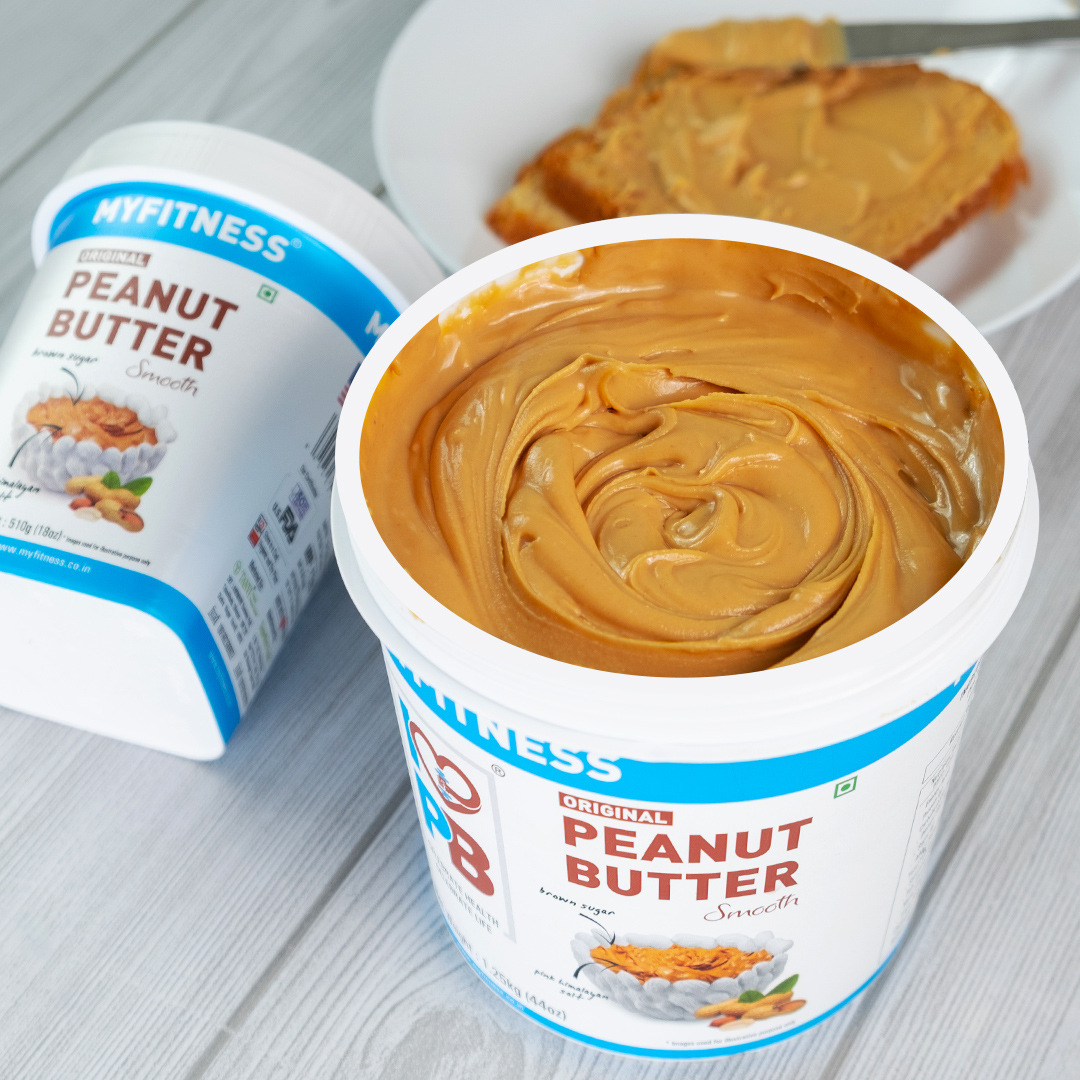
The variety available in my fitness peanut butter allows users to choose according to their preferences and goals.
Smooth Variant
This is the most commonly used form. Its creamy texture makes it ideal for spreading on bread, blending into smoothies, or mixing into oats.
Crunchy Variant
With small peanut pieces, this version offers added texture and a slightly more satisfying bite. It works well for those who enjoy a more natural feel.
Flavored Options
Flavored versions, such as chocolate or honey-infused, cater to those who want a sweeter taste without completely compromising on nutrition.
High-Protein Options
These are designed specifically for gym-goers and athletes. They contain additional protein, making them suitable for muscle-building diets.
Incorporating It Into Your Daily Routine
Using peanut butter effectively means knowing when and how to include it in your meals.
Breakfast Ideas
A spoonful added to oatmeal or spread on whole-grain toast can create a balanced breakfast that keeps you full for hours.
Pre-Workout Snack
Consuming it before exercise can provide sustained energy, helping you perform better during workouts.
Post-Workout Recovery
Pairing it with a protein shake or fruit helps replenish energy and aids muscle recovery.
Healthy Snacking
It pairs well with fruits like apples and bananas, creating a quick and nutritious snack option.
Common Mistakes to Avoid
Even healthy foods can be misused. Understanding these mistakes can help you get the best results.
Overeating
Because it is calorie-dense, consuming too much can lead to excess calorie intake. Moderation is essential.
Ignoring Ingredients
Not all peanut butter is created equal. Some contain added sugars and unhealthy oils. Always read the label carefully.
Unbalanced Diet
Relying too heavily on one food item can lead to nutritional imbalances. It should be part of a varied diet.
Comparing Peanut Butter with Other Spreads
When compared to common alternatives, peanut butter stands out as a healthier option.
| Spread Type | Protein | Sugar | Health Value |
|---|---|---|---|
| Peanut Butter | High | Low | High |
| Chocolate Spread | Low | High | Low |
| Butter | Low | None | Moderate |
| Jam | None | High | Low |
This comparison highlights why my fitness peanut butter is often preferred by those aiming for a healthier lifestyle.
Who Should Include It in Their Diet
Peanut butter is suitable for a wide range of individuals.
Fitness Enthusiasts
Those involved in regular exercise can benefit from its protein and energy content.
Students and Professionals
It provides sustained energy, helping maintain focus during long hours of study or work.
Vegetarians
As a plant-based protein source, it is particularly valuable for those who do not consume meat.
Creative Ways to Use It
Incorporating my fitness peanut butter into your meals can be both fun and rewarding.
Smoothies
Blend it with milk, bananas, and oats for a nutritious drink.
Energy Balls
Mix it with oats and honey to create easy, no-bake snacks.
Healthy Desserts
Use it in pancakes or brownies for a healthier twist on traditional recipes.
Storage and Shelf Life
Proper storage ensures freshness and maintains quality.
Storage Tips
Keep it in a cool, dry place and always close the lid tightly after use.
Oil Separation
Natural peanut butter may separate over time. Simply stir it well before use.
Myths and Misconceptions
Myth: Peanut Butter Causes Weight Gain
Weight gain occurs due to excess calorie intake, not a single food. When consumed in moderation, it can support weight management.
Myth: All Peanut Butter Is Healthy
Some products contain added sugars and hydrogenated oils. Choosing the right product is crucial.
Quick Highlights
- High in protein and healthy fats
- Supports muscle recovery and energy
- Versatile for meals and snacks
- Best consumed in controlled portions
How Much Should You Consume Daily
Portion control is essential for maximizing benefits.
A typical serving size is one to two tablespoons per day. This amount provides sufficient nutrients without adding excessive calories.
Sustainability and Quality Considerations
Modern consumers are increasingly aware of how their food is produced. Many brands are now focusing on sustainable sourcing and environmentally friendly practices.
Choosing high-quality peanut butter not only benefits your health but also supports better agricultural practices.
Frequently Asked Questions (FAQs)
Is my fitness peanut butter suitable for weight loss?
Yes, when consumed in moderation, it helps control hunger and supports a calorie-controlled diet.
Can I eat it every day?
Daily consumption is safe as long as portion sizes are managed properly.
Is it a good protein source?
It provides a decent amount of plant-based protein, making it a good addition to meals.
Does it contain added sugar?
Some variants do, so always check the label before purchasing.
Can children consume it?
Yes, it is generally safe and nutritious for children when served in appropriate quantities.
Conclusion
In today’s fast-paced world, finding foods that are both nutritious and convenient is essential. Peanut butter fits perfectly into this category, offering a powerful combination of taste, energy, and health benefits.
my fitness peanut butter stands out because of its quality, variety, and fitness-oriented approach. It caters to a wide range of dietary needs, making it suitable for beginners and experienced fitness enthusiasts alike.
To get the most out of it, focus on moderation, choose the right variant, and incorporate it thoughtfully into your meals. Whether you use it in breakfast, snacks, or post-workout recovery, it can become a reliable part of your daily nutrition.
Start by adding a small serving to your daily routine. Pair it with healthy foods, monitor your intake, and observe the positive changes in your energy levels and overall well-being. Consistency is key, and small steps can lead to lasting results.
Read More:-The Complete Guide to Ending Your Gym Contract Without Stress
