
Introduction
The human body is an extraordinary system where countless processes work together to sustain life. Among these, digestion stands out as one of the most essential and fascinating. Every time you eat a meal, your body begins a complex journey of breaking down food, extracting nutrients, and converting it into energy. If you’ve ever wondered how does the digestive system work, this detailed guide will walk you through the process in a simple, conversational, and easy-to-understand way.
Digestion is not just about eating and eliminating waste. It is about transformation—turning food into the building blocks your body needs to function, repair, and grow. From the moment food touches your lips to the point where nutrients enter your bloodstream, every step is carefully coordinated. Let’s explore this incredible journey together.
What Is the Digestive System and Why It Matters
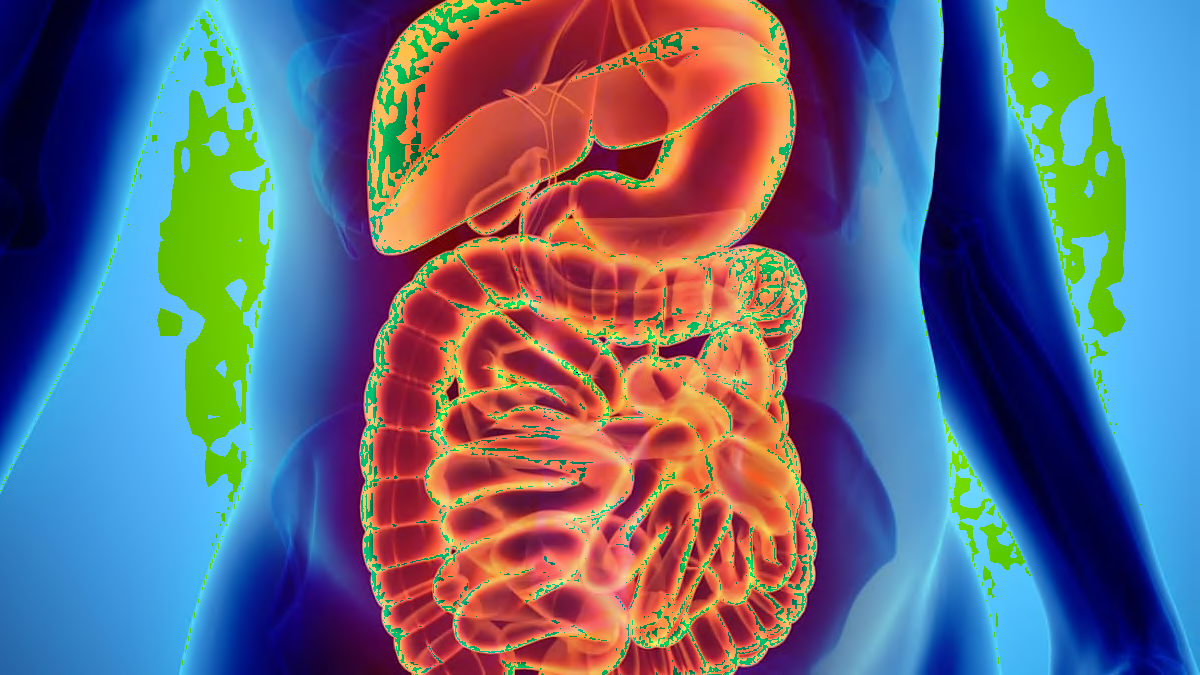
The digestive system is a group of organs that work together to process food. It includes the mouth, esophagus, stomach, small intestine, large intestine, liver, pancreas, and gallbladder. Each organ has a specific role, but they all function as a team.
When discussing how does the digestive system work, it’s important to understand that digestion happens in two main ways: mechanical and chemical. Mechanical digestion involves physically breaking down food, such as chewing, while chemical digestion uses enzymes and acids to break food into smaller molecules.
This system is vital because your body cannot directly use the food you eat. Nutrients must first be broken down into simpler forms like glucose, amino acids, and fatty acids. These nutrients are then absorbed into the bloodstream and transported to cells.
Without a properly functioning digestive system, your body would not receive the energy and nutrients it needs to survive.
The Digestive Journey Begins in the Mouth
Digestion starts even before you take a bite. The sight and smell of food trigger your brain to prepare your digestive system. Salivary glands begin producing saliva, and your stomach starts releasing digestive juices.
Once food enters your mouth, the process truly begins. Your teeth break food into smaller pieces, making it easier to swallow and digest. At the same time, saliva mixes with the food. This saliva contains enzymes, particularly amylase, which begins breaking down carbohydrates into simpler sugars.
Chewing thoroughly is more important than many people realize. Proper chewing reduces the workload on the stomach and allows enzymes to work more efficiently. This is one of the simplest ways to improve digestion naturally.
Understanding this first step helps clarify how does the digestive system work, as it shows that digestion is not just a stomach function—it starts in the mouth.
From Mouth to Stomach: The Role of the Esophagus
After chewing, the food forms a soft mass called a bolus. When you swallow, this bolus travels down the esophagus, a muscular tube connecting the mouth to the stomach.
The movement of food through the esophagus is not due to gravity alone. Instead, it relies on a process called peristalsis. These are wave-like muscle contractions that push food downward in a controlled manner.
Even if you were to eat while lying down, peristalsis would still move the food to your stomach. This demonstrates how well-designed the digestive system is.
At the end of the esophagus, a valve called the lower esophageal sphincter opens to allow food into the stomach. It then closes to prevent stomach acid from flowing back up.
Inside the Stomach: Breaking Food Down Further
The stomach is a muscular, sac-like organ that plays a major role in digestion. Once food enters, it is mixed with gastric juices that contain hydrochloric acid and digestive enzymes.
These substances break down proteins into smaller components. The stomach also churns food, turning it into a semi-liquid substance known as chyme.
The acidic environment in the stomach serves another purpose—it kills harmful bacteria and pathogens that may have entered with food.
Despite its strength, the stomach protects itself from its own acid with a special lining. Without this protection, the acid could damage stomach tissues.
This stage is critical in understanding how does the digestive system work, as it highlights the balance between strong digestive power and protective mechanisms.
The Small Intestine: Where Most Digestion Happens
After leaving the stomach, chyme enters the small intestine. This long, coiled organ is where most digestion and nutrient absorption take place.
The small intestine is divided into three parts: the duodenum, jejunum, and ileum. Each section has a specific function, but they all contribute to breaking down food and absorbing nutrients.
In the duodenum, bile from the liver and digestive enzymes from the pancreas mix with chyme. Bile helps break down fats, while enzymes target carbohydrates, proteins, and lipids.
The inner lining of the small intestine is covered with tiny finger-like structures called villi. These increase the surface area, allowing for efficient absorption of nutrients into the bloodstream.
At this stage, your food is transformed into usable energy. This is one of the most important aspects of how does the digestive system work.
The Role of the Liver, Pancreas, and Gallbladder
Although food does not pass directly through these organs, they are essential to digestion.
The liver produces bile, which helps in the digestion of fats. This bile is stored in the gallbladder and released into the small intestine when needed.
The pancreas produces enzymes that break down proteins, fats, and carbohydrates. It also releases bicarbonate, which neutralizes stomach acid entering the small intestine.
These organs act as support systems, ensuring that digestion occurs efficiently and smoothly.
The Large Intestine: Final Processing and Waste Formation
After nutrients are absorbed in the small intestine, the remaining material moves into the large intestine. This includes water, fiber, and waste products.
The large intestine absorbs water and electrolytes, turning the remaining material into solid waste. It also houses beneficial bacteria that help break down certain substances and produce vitamins like vitamin K.
This part of the digestive process is slower, allowing enough time for water absorption. The final waste is stored in the rectum until it is expelled from the body.
Digestive Enzymes and Their Functions
Below is a table that highlights key digestive enzymes and their roles:
| Enzyme | Source | Function |
|---|---|---|
| Amylase | Saliva, pancreas | Breaks down carbohydrates |
| Pepsin | Stomach | Breaks down proteins |
| Lipase | Pancreas | Breaks down fats |
| Trypsin | Pancreas | Continues protein digestion |
| Lactase | Small intestine | Breaks down lactose |
These enzymes ensure that food is broken down into molecules small enough to be absorbed.
The Importance of Gut Bacteria
Your digestive system contains trillions of microorganisms, often referred to as gut flora or microbiota. These bacteria play a crucial role in digestion and overall health.
They help break down complex carbohydrates, produce essential vitamins, and protect against harmful bacteria. A healthy balance of gut bacteria is essential for proper digestion.
Diet, lifestyle, and antibiotics can all affect this balance. Including probiotic-rich foods like yogurt can support gut health.
Factors That Influence Digestive Health
Several factors can affect how efficiently your digestive system works.
Diet is one of the most important. A diet rich in fiber supports smooth digestion, while processed foods can slow it down. Hydration is equally important, as water helps move food through the digestive tract.
Physical activity also plays a role. Regular exercise stimulates intestinal movement and improves digestion.
Stress is another major factor. The connection between the brain and gut means that emotional stress can lead to digestive issues like bloating or indigestion.
Common Digestive Disorders
Digestive problems are quite common and can range from mild to severe.
Acid reflux occurs when stomach acid flows back into the esophagus, causing a burning sensation. Constipation is often caused by low fiber intake and dehydration.
Diarrhea can result from infections or food intolerances. Irritable bowel syndrome (IBS) is a chronic condition that affects the large intestine and causes symptoms like cramps and irregular bowel movements.
Understanding these conditions helps you better grasp how does the digestive system work and what happens when it doesn’t function properly.
How Long Does Digestion Take
Digestion is not an instant process. It takes time for food to move through the entire digestive tract.
Simple foods like fruits may digest within a couple of hours, while heavier foods like fats and proteins take longer. On average, the entire process can take between 24 and 72 hours.
This timeline varies depending on factors like metabolism, diet, and overall health.
Quick Digestive Process Overview
- Food enters the mouth and is chewed
- Travels through the esophagus via peristalsis
- Broken down in the stomach with acids
- Nutrients absorbed in the small intestine
- Water absorbed in the large intestine
- Waste eliminated from the body
FAQs About Digestion
1. What is the main function of the digestive system?
Its main function is to break down food, absorb nutrients, and eliminate waste.
2. Why is chewing important?
Chewing breaks food into smaller pieces and mixes it with saliva, aiding digestion.
3. What role does the stomach play?
The stomach uses acids and enzymes to break down proteins and kill bacteria.
4. How can I improve digestion naturally?
Eat a balanced diet, drink plenty of water, exercise regularly, and manage stress.
5. What happens if digestion is slow?
Slow digestion can lead to bloating, constipation, and discomfort.
Conclusion: Nourish Your Body by Understanding Digestion
Understanding how does the digestive system work gives you valuable insight into your overall health. Digestion is more than just a biological process—it’s the foundation of energy, immunity, and well-being.
By paying attention to what you eat, staying hydrated, and maintaining a healthy lifestyle, you can support your digestive system and improve your quality of life. Small changes, such as chewing food properly and reducing stress, can make a significant difference.
Your body works tirelessly to keep you healthy. The more you understand it, the better you can take care of it. Start today by making mindful choices that support your digestive health and overall wellness.
