
Introduction
The human body is an incredibly complex and well-coordinated system, and one of its most fascinating processes is digestion. Every time you eat a meal, your body begins a detailed and efficient journey to convert that food into energy and nutrients. A well-structured human digestive system diagram plays a crucial role in helping us understand this journey visually.
In this comprehensive guide, you will explore the digestive system in a simple, conversational, and detailed manner. Whether you are a student preparing for exams or someone interested in health and biology, this article will provide you with everything you need to know.
What Is the Digestive System and How Does It Work?

The digestive system is a group of organs that work together to break down food into simpler substances that the body can absorb and use. These nutrients are essential for energy production, growth, and cell repair.
When you look at a human digestive system diagram, you can see how food travels through different organs. Each organ performs a specific function, and together they ensure that digestion is smooth and efficient. The process involves both mechanical actions, like chewing, and chemical processes, such as enzyme activity.
Why Learning Through a Diagram Makes Digestion Easier
Understanding digestion through text alone can sometimes feel overwhelming. That’s where diagrams come in. A labeled human digestive system diagram provides a visual representation that simplifies complex biological processes.
Diagrams help you identify the position, structure, and function of each organ. They also make it easier to remember information, especially for students studying biology. Visual learning enhances retention and improves conceptual clarity.
Overview of the Digestive Process
Digestion is not just about breaking down food; it is a multi-step process that involves several stages working in harmony.
The journey begins when food enters the mouth and continues through the esophagus, stomach, and intestines. Along the way, enzymes, acids, and other substances break down food into nutrients. A detailed human digestive system diagram shows how each stage connects seamlessly.
Major Organs of the Digestive System
Mouth: The Starting Point of Digestion
The digestive process begins in the mouth. Here, food is chewed into smaller pieces, making it easier to swallow and digest. Saliva contains enzymes that begin breaking down carbohydrates.
When you observe a human digestive system diagram, the mouth is clearly shown as the entry point. It plays a critical role in initiating both mechanical and chemical digestion.
Esophagus: The Food Transport Channel
After swallowing, food passes through the esophagus, a muscular tube that connects the mouth to the stomach. The movement of food is facilitated by rhythmic contractions called peristalsis.
In a typical human digestive system diagram, the esophagus appears as a straight tube linking the upper and lower digestive organs.
Stomach: The Mixing Chamber
The stomach is a muscular organ that stores food and mixes it with digestive juices. These juices contain hydrochloric acid and enzymes that break down proteins.
A clear human digestive system diagram highlights the stomach as a central organ where significant chemical digestion occurs. The churning action further helps in breaking food into a semi-liquid form called chyme.
Small Intestine: The Nutrient Absorption Hub
The small intestine is the longest part of the digestive system and is responsible for most nutrient absorption. It is divided into three sections: the duodenum, jejunum, and ileum.
In a human digestive system diagram, this organ is shown as a long, coiled structure. Its inner lining contains tiny projections called villi, which increase the surface area for absorption.
Large Intestine: Water Absorption and Waste Formation
The large intestine absorbs water and electrolytes from undigested food. It also forms and stores waste until it is eliminated from the body.
A labeled human digestive system diagram typically shows the large intestine as a wider tube surrounding the small intestine.
Liver: The Chemical Processing Unit
The liver is one of the largest organs in the body and plays a vital role in digestion. It produces bile, which helps in breaking down fats.
When you study a human digestive system diagram, the liver is prominently displayed above the stomach. It also helps detoxify harmful substances from the blood.
Pancreas: The Enzyme Factory
The pancreas produces digestive enzymes that break down carbohydrates, proteins, and fats. It also regulates blood sugar levels.
In a detailed human digestive system diagram, the pancreas is located near the stomach and small intestine.
Gallbladder: The Bile Storage Organ
The gallbladder stores bile produced by the liver and releases it when needed during digestion. This helps in the efficient digestion of fats.
Although small, the gallbladder plays an important role and is clearly labeled in most diagrams.
Step-by-Step Journey of Food in the Body
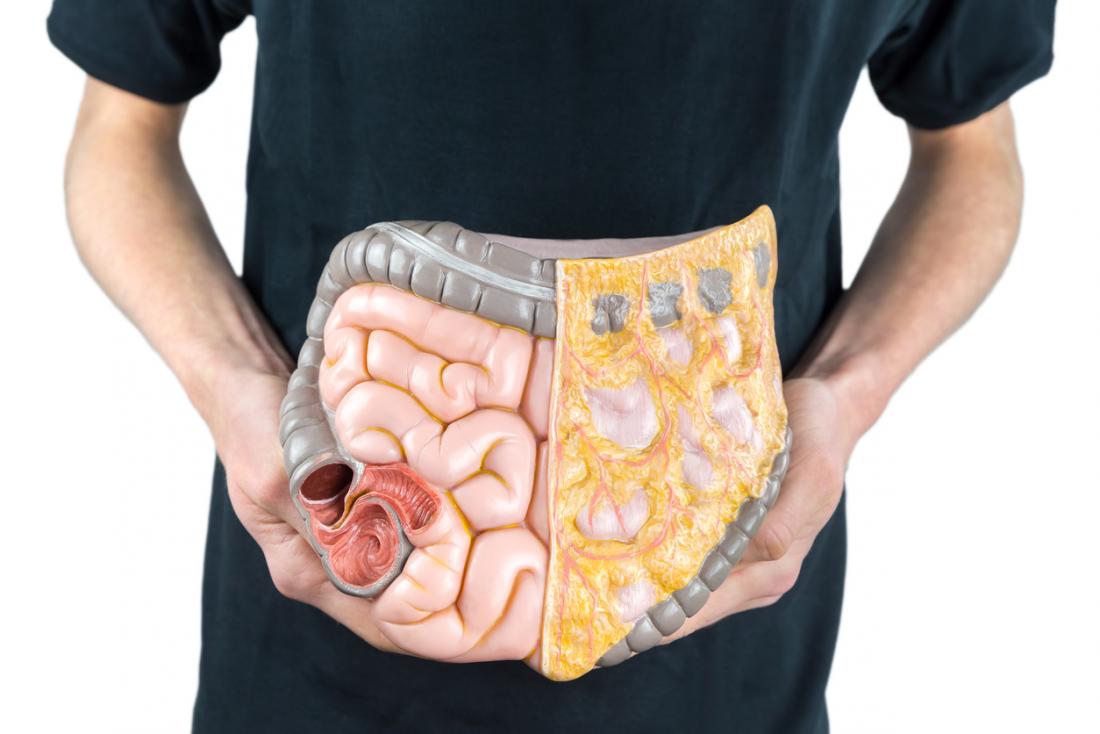
Digestion is a continuous process that involves several stages working together.
Ingestion and Breakdown in the Mouth
Food enters the mouth and is broken down into smaller pieces. Saliva begins the chemical digestion process.
Movement Through the Esophagus
The swallowed food moves down the esophagus through peristalsis, reaching the stomach.
Chemical Digestion in the Stomach
In the stomach, food is mixed with digestive juices, breaking it down into chyme.
Absorption in the Small Intestine
Nutrients are absorbed into the bloodstream through the walls of the small intestine.
Water Absorption in the Large Intestine
The remaining waste passes into the large intestine, where water is absorbed.
Elimination
Finally, waste is expelled from the body through the rectum and anus.
Table: Digestive Organs and Their Functions
| Organ | Main Function | Type of Digestion |
|---|---|---|
| Mouth | Chewing and saliva mixing | Mechanical & Chemical |
| Esophagus | Food transport | Mechanical |
| Stomach | Protein breakdown | Chemical |
| Small Intestine | Nutrient absorption | Chemical |
| Large Intestine | Water absorption and waste formation | Mechanical |
| Liver | Bile production | Chemical |
| Pancreas | Enzyme production | Chemical |
| Gallbladder | Bile storage and release | Chemical |
Role of Enzymes in Digestion
Enzymes are biological catalysts that speed up the digestion process. Without enzymes, digestion would be too slow to support life.
They break down complex food molecules into simpler forms. For example, carbohydrates are converted into sugars, proteins into amino acids, and fats into fatty acids.
Common Digestive Disorders and Their Impact
Digestive health is crucial, and problems in the system can affect overall well-being.
Acid Reflux
This occurs when stomach acid flows back into the esophagus, causing a burning sensation.
Constipation
A condition where bowel movements become infrequent or difficult, often due to low fiber intake.
Diarrhea
Characterized by frequent loose stools, usually caused by infections or food intolerance.
Irritable Bowel Syndrome
A chronic condition affecting the large intestine, leading to discomfort and irregular bowel movements.
How to Maintain a Healthy Digestive System

Maintaining digestive health requires consistent habits and mindful choices.
Balanced Diet
Eating a diet rich in fruits, vegetables, and whole grains supports digestion.
Hydration
Drinking enough water helps in breaking down food and preventing constipation.
Regular Exercise
Physical activity promotes efficient digestion and improves metabolism.
Mindful Eating
Eating slowly and chewing food properly aids digestion.
Quick Digestive Facts
- Digestion starts in the mouth, not the stomach
- The small intestine is about 6 meters long
- The stomach produces strong acids for digestion
- Enzymes are essential for breaking down food
Importance of Studying Digestive Diagrams
A visual approach to learning makes complex systems easier to understand. A clear diagram simplifies the structure and functions of the digestive system.
Using a human digestive system diagram allows learners to grasp concepts quickly and remember them effectively. It is an essential tool for both academic and practical understanding.
FAQs About the Digestive System
What is the main function of the digestive system?
The digestive system breaks down food into nutrients and absorbs them into the bloodstream.
Why is the small intestine important?
It is responsible for absorbing most of the nutrients from food.
What role does the stomach play in digestion?
The stomach mixes food with acids and enzymes to break down proteins.
How long does digestion take?
It typically takes between 24 to 72 hours depending on the type of food.
What is bile and why is it important?
Bile helps in breaking down fats and is produced by the liver.
Can digestive health be improved naturally?
Yes, through a balanced diet, hydration, and regular exercise.
Conclusion: Take Control of Your Digestive Health
The digestive system is a vital part of the human body that works tirelessly to convert food into energy and nutrients. By understanding each organ and its function, you gain valuable insight into how your body operates.
A well-labeled human digestive system diagram makes this learning process easier and more effective. It provides a clear visual understanding that complements theoretical knowledge.
To maintain a healthy digestive system, focus on proper nutrition, stay hydrated, and adopt an active lifestyle. Small changes in your daily routine can lead to significant improvements in your overall health.
Read More:-Complete Guide to Carminative Digestive Enzyme Mixtures Use Today
