
Introduction
Food is one of the most powerful influences on our daily lives. It affects not only our physical health but also our mood, productivity, and long-term well-being. In today’s fast-moving world, the discussion around healthy food and junk food has become more relevant than ever before.
From quick snacks to full meals, people constantly make decisions between convenience and nutrition. While junk food offers instant satisfaction, healthy food provides long-lasting benefits. Understanding the difference between healthy food and junk food is essential for building a lifestyle that supports both enjoyment and wellness.
This guide explores every aspect of eating habits, helping you understand how to balance healthy food and junk food without feeling restricted or overwhelmed.
Understanding Healthy Food in Detail

Healthy food is often associated with natural ingredients and balanced nutrition. However, it goes deeper than just eating fruits and vegetables. It’s about giving your body what it truly needs.
What Makes Healthy Food Beneficial?
Healthy food is rich in nutrients such as vitamins, minerals, fiber, and antioxidants. These components support the body’s essential functions and help maintain energy levels throughout the day.
Unlike heavily processed options, healthy food is usually closer to its natural form. This means fewer additives and more real nutrition.
When comparing healthy food and junk food, one of the biggest differences lies in how the body responds. Healthy food nourishes, repairs, and strengthens the body from within.
Balanced Nutrition Matters
A healthy diet includes a mix of carbohydrates, proteins, and fats. Each nutrient plays a specific role. Carbohydrates provide energy, proteins help in tissue repair, and fats support brain function.
Maintaining this balance ensures that the body operates efficiently. It also reduces cravings that often lead to overeating junk food.
What Is Junk Food and Why Is It So Popular?
Junk food refers to processed foods that are high in calories but low in nutritional value. These foods are designed to taste good and be easily accessible.
Why People Choose Junk Food
The popularity of junk food is not accidental. It is driven by convenience, taste, and marketing.
Busy lifestyles make it easier to grab a quick meal rather than cook at home. Junk food is also engineered to be addictive, combining sugar, salt, and fat in ways that trigger cravings.
When discussing healthy food and junk food, it becomes clear that emotional factors also play a role. People often turn to junk food for comfort during stress or boredom.
The Hidden Downsides
Despite its appeal, junk food lacks essential nutrients. It may fill your stomach, but it does not provide the nourishment your body needs.
Over time, relying on junk food can lead to fatigue, weight gain, and other health problems. This is why understanding the impact of healthy food and junk food is so important.
Comparing Healthy Food and Junk Food
To truly understand the difference, it helps to look at a direct comparison.
| Feature | Healthy Food | Junk Food |
|---|---|---|
| Nutritional Value | High | Low |
| Ingredients | Natural | Artificial/processed |
| Energy Levels | Stable | Spikes and crashes |
| Health Impact | Positive | Negative |
| Satiety | Long-lasting | Short-term |
This table clearly shows how healthy food and junk food affect the body differently.
Physical Health: The Real Impact
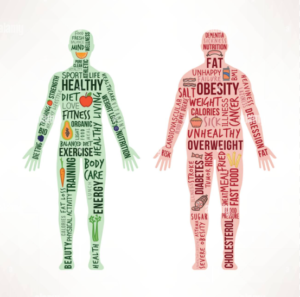
The food you eat directly influences your physical condition. It determines how energetic, strong, and resilient your body is.
Benefits of Healthy Food
Healthy food supports the body in multiple ways. It helps maintain a healthy weight, improves digestion, and strengthens the immune system.
People who regularly consume healthy food often experience better stamina and fewer illnesses.
When comparing healthy food and junk food, the long-term benefits of healthy eating become very clear.
Risks of Junk Food
Junk food, on the other hand, can have serious consequences if consumed frequently. It is often high in unhealthy fats and sugars, which can lead to obesity and heart problems.
Regular intake of junk food can also increase the risk of diabetes and high blood pressure.
This contrast highlights why choosing wisely between healthy food and junk food matters so much.
Mental Health and Food Choices
Food doesn’t just affect the body—it also influences the mind.
Healthy Food and Mental Clarity
Nutrient-rich diets support brain function and improve focus. Healthy food provides the vitamins and minerals needed for cognitive performance.
People who eat balanced meals often report feeling more alert and emotionally stable.
Junk Food and Mood Swings
Junk food can lead to rapid changes in blood sugar levels. This often results in temporary energy boosts followed by crashes.
These fluctuations can affect mood, leading to irritability and lack of concentration.
Understanding the mental effects of healthy food and junk food helps in making better daily choices.
Why Balance Is Important
Completely eliminating junk food is not always realistic. Instead, finding a balance between healthy food and junk food is a more practical approach.
The 80/20 Rule
A common strategy is to follow the 80/20 rule—eat healthy food 80% of the time and allow occasional indulgence.
This approach prevents feelings of restriction while maintaining overall health.
Mindful Eating
Being aware of what you eat is just as important as what you eat. Mindful eating helps you recognize hunger cues and avoid overeating.
Balancing healthy food and junk food becomes easier when you pay attention to your habits.
Smart Substitutions for Everyday Life
Switching to healthier options doesn’t mean giving up your favorite foods entirely.
Easy Swaps
Instead of sugary drinks, choose water or fresh juices. Replace fried snacks with baked alternatives.
Whole grains can be used instead of refined grains, and fruits can replace sugary desserts.
These simple swaps make it easier to manage healthy food and junk food in your routine.
Lifestyle and Environmental Influence

Your surroundings play a big role in your eating habits.
Home Environment
Keeping healthy food at home encourages better choices. If junk food is not easily available, you are less likely to consume it.
Social Settings
Parties and gatherings often include unhealthy options. Being mindful in such situations helps maintain balance.
The environment you create can significantly influence your choices between healthy food and junk food.
Eating Healthy on a Budget
Many people assume healthy eating is expensive, but it can be affordable with proper planning.
Buying seasonal produce and cooking at home can reduce costs.
Choosing simple, nutritious ingredients makes it easier to prioritize healthy food and junk food wisely.
Common Myths About Food Choices
There are many misconceptions about eating habits.
Healthy Food Is Not Tasty
Healthy food can be delicious when prepared creatively. Using spices and herbs enhances flavor.
Junk Food Is Always Bad
Junk food is not harmful when consumed occasionally. The problem arises with frequent consumption.
Understanding these myths helps create a balanced view of healthy food and junk food.
Building Long-Term Healthy Habits
Developing good eating habits takes time and consistency.
Start with small changes, such as adding more vegetables to your meals or reducing sugary snacks.
Over time, these habits become part of your routine, making it easier to balance healthy food and junk food.
Healthy Eating for Children
Children are especially influenced by taste and advertising.
Teaching them about healthy food and junk food early helps them make better choices.
Making meals fun and involving kids in cooking can encourage healthier eating habits.
Quick Highlights
Healthy Food and Junk Food – Key Points
- Healthy food supports long-term wellness
- Junk food offers short-term satisfaction
- Balance is more effective than strict dieting
- Small changes lead to big results
FAQs About Healthy Food and Junk Food
1. What is the difference between healthy food and junk food?
Healthy food provides essential nutrients, while junk food contains empty calories.
2. Can I eat junk food occasionally?
Yes, moderation is key when balancing healthy food and junk food.
3. How can I reduce junk food cravings?
Eat balanced meals and avoid keeping junk food at home.
4. Is healthy food expensive?
Not necessarily. Planning and smart shopping can make it affordable.
5. Why is healthy food important?
It supports physical and mental health and prevents diseases.
Conclusion: Make Better Choices Every Day
Understanding the difference between healthy food and junk food is essential for leading a balanced life. While junk food may be tempting, relying on it too often can harm your health.
Healthy food, on the other hand, nourishes your body and supports long-term well-being. The key is not to eliminate one completely but to create a balance that works for you.
By making mindful decisions, planning your meals, and focusing on consistency, you can build a healthier lifestyle without feeling restricted.
Every choice matters. Start small, stay consistent, and let your journey toward better health begin today.
